ISSUE 09 · WEEKLY BRIEFING

Utah Deep Tech Draws Serious Capital

Fortem closes a $50 million Series B, Maxwell secures another $800 million commitment, and Utah developments advance across nuclear power, geothermal and women’s health.

THIS WEEK’S SIGNAL

This week’s five signals span defense, distributed energy, nuclear power, geothermal and women’s health. Together, they show Utah companies and research teams moving through the difficult stages between technical promise and commercial scale.

01

DEFENSE · VENTURE CAPITAL

Fortem closes $50 million Series B

Lindon-based Fortem Technologies completed a $50 million Series B led by Lockheed Martin, with participation from Unusual Machines and other strategic and institutional investors. The completed round includes the $25 million initial investment Lockheed announced earlier this year.
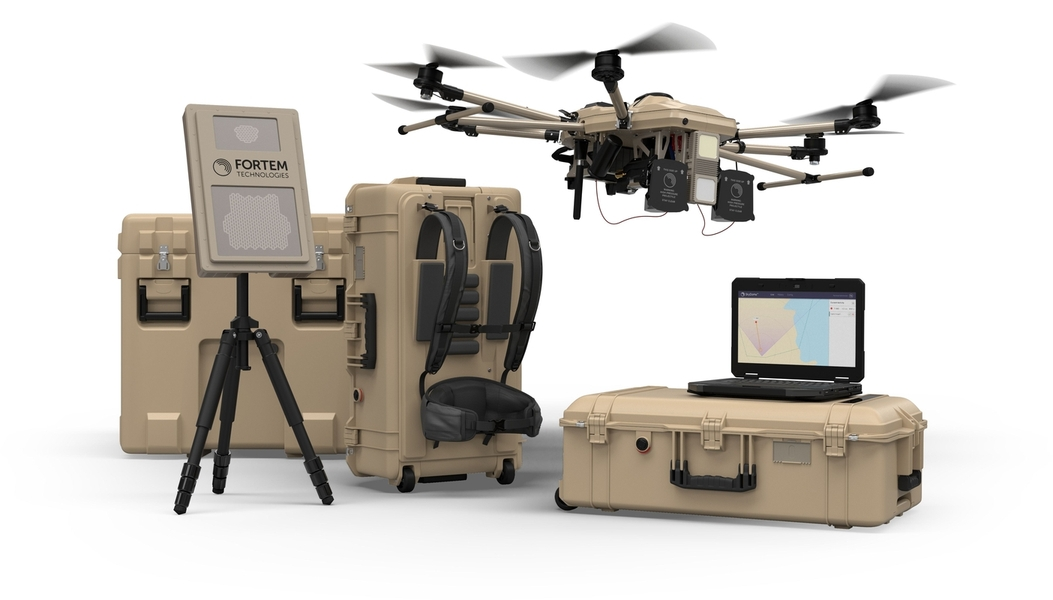
Fortem's portable counter-drone system with radar, interceptor drone and field equipment
Fortem's portable counter-drone system. Photo: Fortem Technologies

Why it matters

The capital will help Fortem accelerate manufacturing at its Lindon facility and expand global deployment of its SkyDome family of counter-drone systems. Fortem is developing and manufacturing advanced defense technology in Utah as demand for counter-drone systems rises around the world.

What to watch

How quickly Fortem expands production, adds Utah employees and converts government demand into deployments.
02

ENERGY · CAPITAL

Maxwell secures an additional $800 million

Salt Lake City-based Maxwell Power announced an additional $800 million investment commitment from Fairtide Partners to purchase solar and battery-storage projects developed through Maxwell’s platform. Following commitments of $250 million in 2024 and $750 million in June 2026, Fairtide’s total commitment to Maxwell-developed projects is now $1.8 billion.

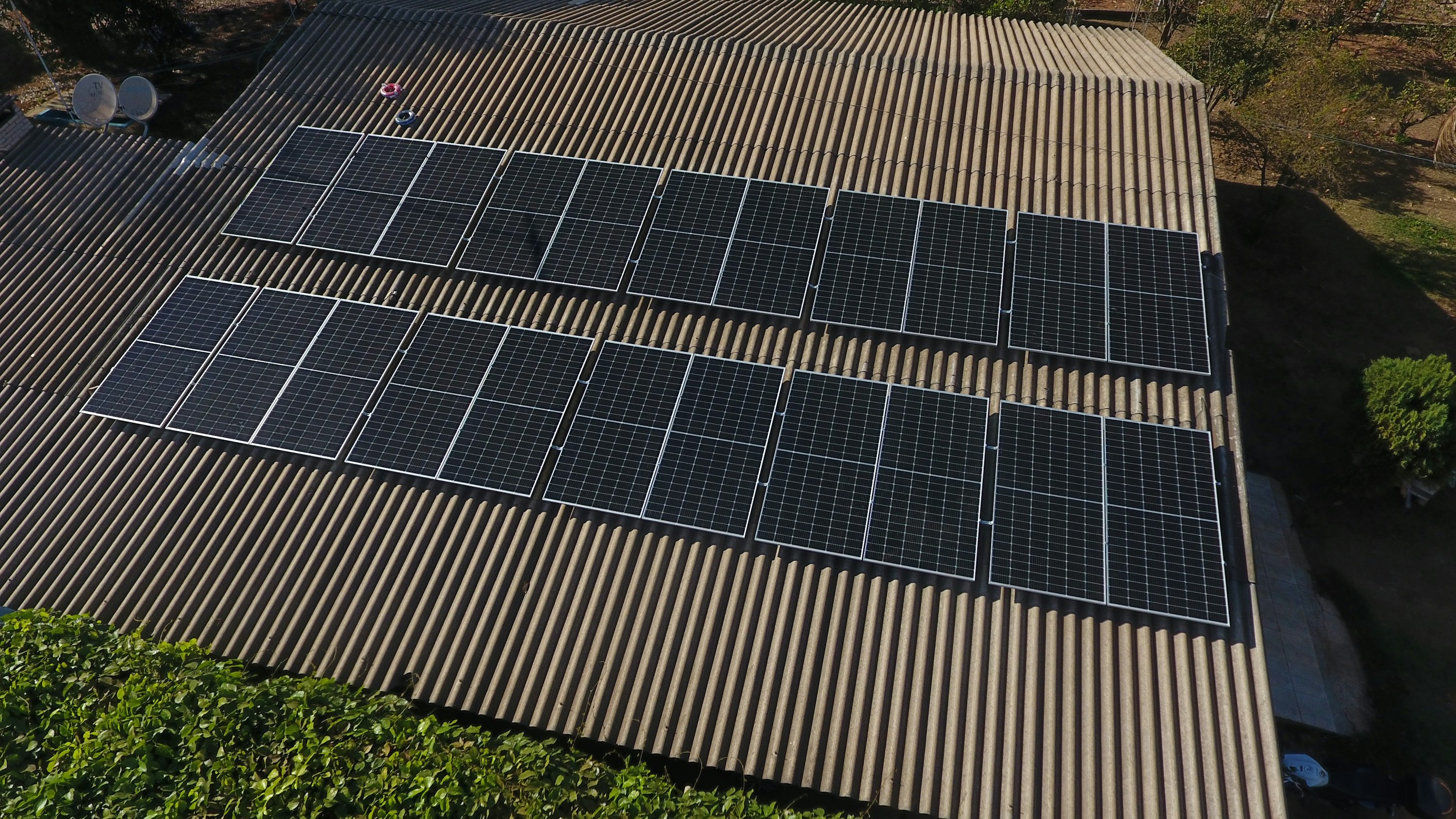
Rows of rooftop solar panels in daylight
Solar power can be paired with battery storage for distributed energy projects. Photo: Rafael Moreno / Unsplash

Why it matters

The financing gives a Utah-headquartered business substantial capacity to expand distributed energy projects into additional markets. Maxwell says it deploys, monitors and maintains solar and battery systems for homeowners and small commercial customers under long-term power contracts.

What to watch

Where the capital is deployed, how much energy capacity is installed and how Maxwell’s Utah operations grow alongside its national footprint.

03

NUCLEAR ENERGY · AI INFRASTRUCTURE

A nuclear-powered computing campus is proposed near Price

Valar Atomics has submitted a preliminary federal land application connected to Project Beehive, a proposed nuclear-powered computing and manufacturing campus near Price. The Bureau of Land Management confirmed that the initial application covers approximately 9,000 acres of public land, and Valar has secured approval to lease more than 640 acres of state trust land in Carbon County.

Valar Atomics' Ward 250 test reactor facility in Emery County
Valar Atomics' existing Ward 250 test reactor program in Emery County, not the proposed Project Beehive campus. Photo: Valar Atomics

Why it matters

The potential scale makes this one of Utah’s most consequential energy proposals. It also remains at a very early stage, with federal environmental review, nuclear licensing, financing, customers, fuel, waste, water and infrastructure questions unresolved.

What to watch

Whether the Bureau of Land Management determines that the application is complete and how the project’s proposed design and capacity change through technical and regulatory review.

04

GEOTHERMAL · RESEARCH COMMERCIALIZATION

Utah geothermal research moves toward field deployment

University of Utah teams were selected for award negotiations on two Department of Energy geothermal projects worth up to approximately $35 million. One could receive up to $25 million for an enhanced-geothermal field demonstration in Nevada, while the other could receive up to $9.7 million for drilling and subsurface work at Utah’s Cove Fort geothermal field.

Utah FORGE geothermal research site in Beaver County
The Utah FORGE research site in Beaver County. Photo: FORGE / University of Utah

Why it matters

University researchers will also participate as subawardees on two additional projects, including exploration work with 400C Energy in Beaver County. The selections build on capabilities developed through Utah FORGE and connect university expertise with companies pursuing commercial geothermal deployment.

What to watch

Completion of award negotiations, drilling results and whether successful demonstrations lead to private investment and new power projects.

05

WOMEN’S HEALTH · COMMERCIALIZATION

Freyya advances toward FDA review

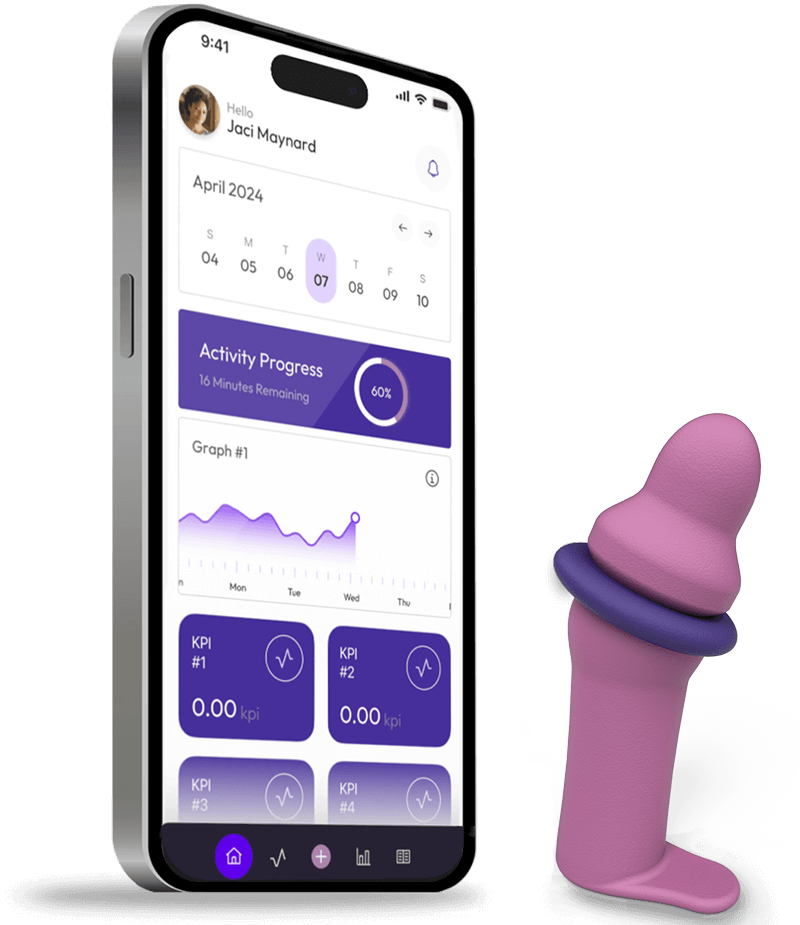
Freyya, a women’s health medical-device startup operating in Salt Lake City, closed an oversubscribed pre-seed financing round led by Alamo Angels. The company says it has completed its product build and clinical testing, including the ERICA clinical study conducted at the University of Utah, and engaged a contract manufacturer for commercial-scale production.

Freyya pelvic-floor rehabilitation and incontinence medical device
Freyya's pelvic-floor rehabilitation device. Photo: Freyya

Why it matters

The financing amount was not disclosed, but the company’s commercialization pathway is worth following. Freyya is progressing from Utah-based clinical work toward regulatory review, manufacturing and a potential commercial launch.

What to watch

FDA milestones, manufacturing readiness and whether the company attracts additional capital as it approaches the market. Its product has not received FDA clearance and is not currently available for commercial distribution.

SHARE THIS ISSUE

DECISIONS & DEADLINES

What to act on next.

NEVER MISS THE SIGNAL

Get the next issue Monday.

Five consequential developments, delivered with context and a clear statewide point of view.